A Digital Initiative Strengthening Transparency, Efficiency, and Social Protection in Foreign Employment
Foreign employment has become one of the most important contributors to Nepal’s economy, with millions of Nepali citizens working abroad and supporting their families through remittances. While overseas employment has created opportunities for economic growth and poverty reduction, it has also exposed workers to various risks, including accidents, illnesses, disabilities, and even loss of life. In such circumstances, timely access to insurance and assistance services becomes crucial. Recognizing this need, the Ministry of Labour, Employment and Social Security (MoLESS) has introduced the Overseas Insurance and Assistance Claim Unified Portal (OIACUP), a digital platform designed to simplify and modernize the claims process for migrant workers and their families.
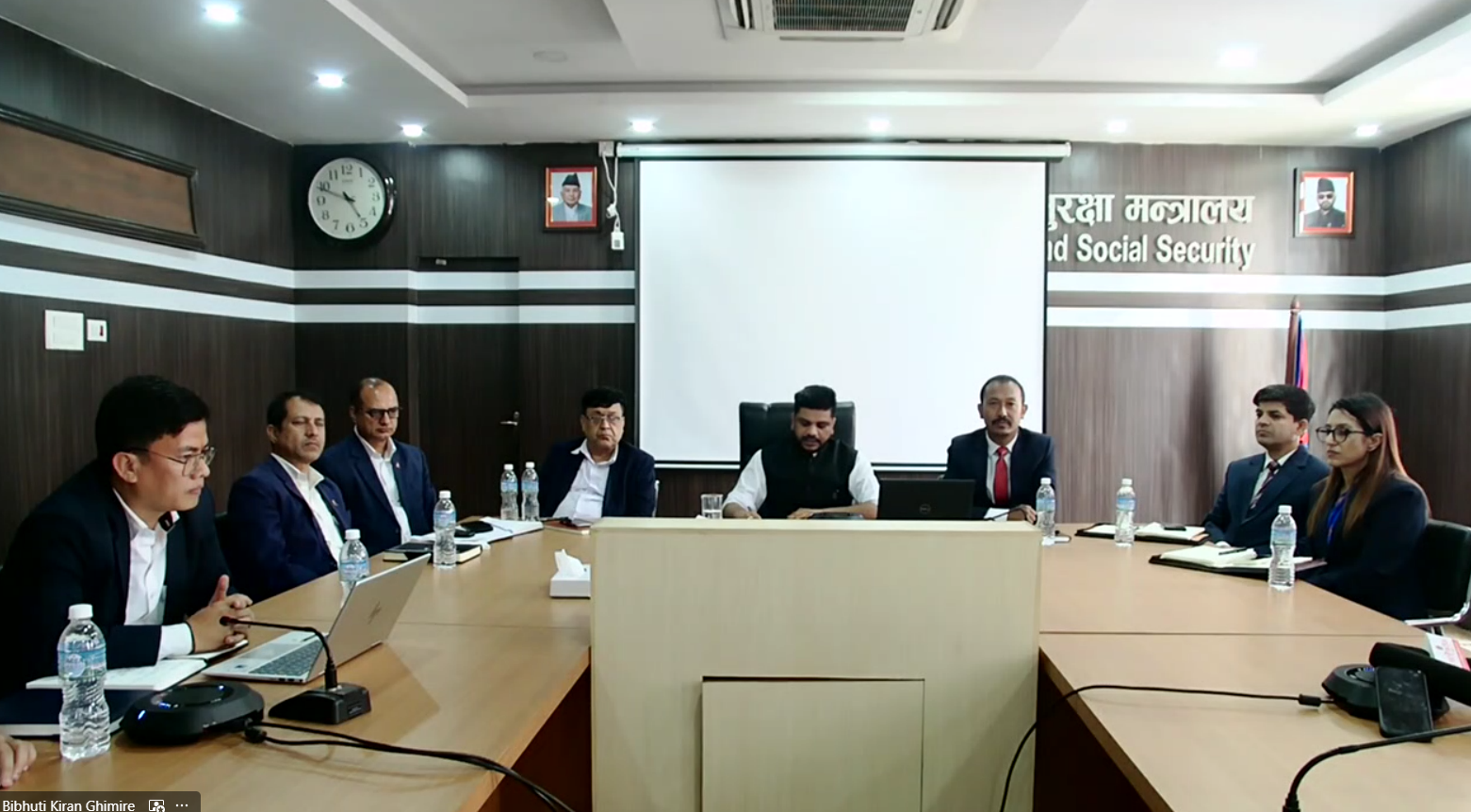
The OIACUP portal represents a significant milestone in Nepal’s journey toward digital governance and citizen-centered public service delivery. It provides a unified online system through which eligible individuals can submit insurance and assistance claims, upload supporting documents, and track the progress of their applications without having to visit multiple government offices. The initiative reflects the government’s commitment to making public services more accessible, transparent, and efficient.
For many years, migrant workers and their families have faced considerable challenges while seeking insurance benefits and welfare support. The traditional claim process often involved extensive paperwork, long travel distances, repeated visits to government agencies, and delays in decision-making. These difficulties were particularly severe for people living in remote and rural areas, where access to administrative services remains limited. The introduction of OIACUP has the potential to address many of these problems by bringing essential services to citizens through digital technology.
One of the most important advantages of the portal is convenience. Applicants can access the system from any location with internet connectivity, reducing both time and financial costs associated with physical visits. Families who have lost their primary breadwinners abroad or workers who have suffered injuries can now initiate claims from their homes and receive updates on the status of their applications online. Such accessibility promotes inclusiveness and ensures that government support reaches those who need it most.
Transparency is another major benefit offered by the digital platform. Since all applications and supporting documents are processed electronically, the possibility of losing records or facing unnecessary procedural complications is significantly minimized. Users can monitor the progress of their claims in real time, creating greater trust in public institutions and strengthening accountability within the service delivery mechanism. Digital systems also help reduce opportunities for administrative errors and improve overall governance.
The OIACUP initiative aligns with Nepal’s broader efforts to embrace e-governance and digital transformation. In recent years, government institutions have increasingly adopted information technology to enhance public service delivery, streamline administrative procedures, and improve citizen satisfaction. The unified portal demonstrates how digital innovation can be applied to address the unique challenges faced by migrant workers, who continue to play a vital role in the nation’s economic development.
Despite its many advantages, the effectiveness of the portal will depend on addressing several practical challenges. Digital literacy remains an important concern, particularly among rural populations and elderly family members who may need to access the system on behalf of migrant workers. Awareness campaigns, training programs, and support services at the local level can help bridge this gap and encourage wider utilization of the platform.
Similarly, reliable internet connectivity and access to digital devices are essential for ensuring equitable access to online services. Although Nepal has made remarkable progress in expanding information and communication infrastructure, disparities still exist between urban and rural communities. Continued investment in digital inclusion will further strengthen the impact of initiatives such as OIACUP.
Data security and privacy must also remain key priorities. The platform handles sensitive personal and financial information, making robust cybersecurity measures indispensable. Ensuring the protection of user data will help maintain public confidence and promote long-term sustainability of the digital system. Click here
Looking ahead, OIACUP has the potential to become a cornerstone of a broader integrated foreign employment service ecosystem. Future enhancements may include stronger coordination with insurance providers, local governments, foreign missions, and welfare institutions to create a seamless support network for migrant workers throughout their employment journey. Such integration would further improve efficiency and reinforce social protection mechanisms.
Nepali migrant workers have long been regarded as the backbone of the national economy. Their contributions through remittances support households, local communities, and national development initiatives. Therefore, ensuring their welfare and protecting their rights should remain a national priority. The introduction of the Overseas Insurance and Assistance Claim Unified Portal reflects a progressive approach toward fulfilling this responsibility.
Ultimately, OIACUP is more than just a digital platform; it is a symbol of Nepal’s commitment to modern governance, social justice, and citizen-oriented service delivery. By simplifying procedures, enhancing transparency, and expanding accessibility, the initiative has the potential to improve the lives of countless migrant workers and their families. As Nepal continues its digital transformation journey, such innovations will play an increasingly important role in building a more responsive, efficient, and inclusive public administration system.