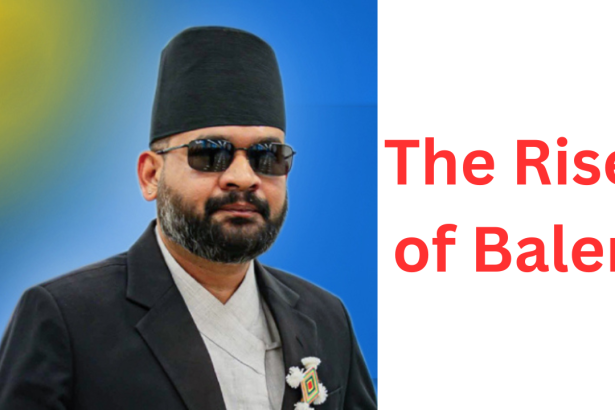
Balen Shah, Nepal’s Rapper-Turned-Politician, Sworn in as Youngest Elected Prime Minister at 35
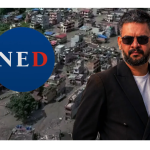
Kathmandu, March 27 — In a landmark moment for Nepali politics, Balendra Shah, popularly known as Balen, was appointed the country’s 40th Prime Minister on Friday, becoming the youngest elected leader to assume the office. President Ram Chandra Paudel administered the oath of office and secrecy to the 35-year-old leader of the Rastriya Swatantra Party (RSP) under Article 76(1) of the Constitution at Shital Niwas on the auspicious occasion of Ram Navami.
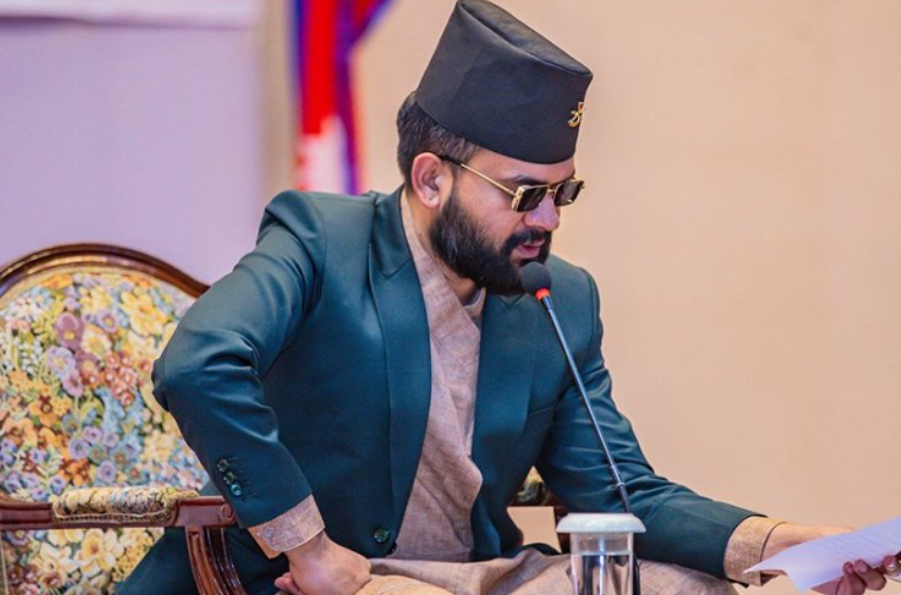
Shah’s ascension follows the RSP’s stunning landslide victory in the March 5, 2026 general election, triggered by last year’s Gen Z-led protests that toppled the previous government amid widespread frustration over corruption, economic stagnation, and political instability. The party secured approximately 182 seats in the 275-member House of Representatives, achieving a clear majority that allows Shah to form a strong single-party government — a rare feat in Nepal’s fragmented political landscape.
Born on April 27, 1990, in Kathmandu’s Naradevi neighbourhood to an Ayurvedic practitioner father, Dr. Ram Narayan Shah (who passed away in late 2025), and mother Dhruvadevi Shah, Balen comes from a Maithili Madheshi family with ancestral roots in Mahottari district. Despite his Kathmandu upbringing, his heritage has resonated strongly in the Madhesh region, where his rise is celebrated as a historic milestone — the first leader from Madhesh Province to hold the country’s top executive position. He is married to Sabina Kafle, a nurse and model, and the couple has a young daughter.
From Rap Battles to City Hall to National Leadership Balen
Before entering politics, Shah built a devoted following as an underground rapper whose lyrics tackled social inequality, corruption, poverty, and youth disillusionment. His debut track “Sadak Balak” (Street Child) in 2012 and appearances in rap battles like Raw Barz helped popularize hip-hop in Nepal. Songs such as “M Nepal Hāseko Hernu Chāhanchu” (I Want to See Nepal Smile) and sharp social commentary tracks became anthems for a generation tired of traditional parties.
He holds a bachelor’s degree in civil engineering from Himalayan Whitehouse International College in Kathmandu and a master’s in structural engineering from Visvesvaraya Technological University in Bengaluru, India. After the 2015 earthquake, he actively participated in reconstruction efforts across 35 districts. He later ran a consulting and construction firm and worked on projects including the Solti City development.
Shah’s formal political entry came in 2022 when he contested the Kathmandu Metropolitan City mayoral election as an independent candidate and won decisively with 61,767 votes, defeating Nepali Congress rival Srijana Singh by a margin of over 23,000 votes. As mayor, he earned a reputation as a no-nonsense administrator. He launched aggressive drives against illegal constructions using bulldozers (“Dozer” actions), enforced building codes and footpath regulations, improved waste management, promoted public health initiatives (including free treatment in select hospitals for the poor), and introduced live telecasts of municipal meetings for transparency. His tenure, though short — he resigned in January 2026 to contest the national polls — left a visible impact on the capital.
In a calculated move, Shah joined the RSP in January 2026 after striking a seven-point agreement with party chair Rabi Lamichhane. He contested from Jhapa-5 — the home turf of veteran CPN-UML leader and four-time Prime Minister K.P. Sharma Oli — and delivered a crushing defeat, securing 68,348 votes against Oli’s 18,734, a margin of nearly 50,000 votes. This symbolic victory underscored the depth of public rejection of entrenched political elites.
A New Style of Leadership
Known for his laconic communication style, Shah prefers short, punchy statements on social media over lengthy speeches. He rarely engages directly with traditional media, instead using platforms to share his vision. His campaign was marked by minimal public rallies but maximum resonance through music and digital outreach. On the eve of taking oath, he released a new rap track “Jaya Mahakali,” blending political messaging with cultural references.
Observers note Shah’s willingness to take risks. Running against Oli in Jhapa was seen as audacious; enforcing strict urban regulations as mayor invited powerful opposition. Yet these gambles paid off, cementing his image as someone who thrives on challenges.
His background as an engineer brings a data-driven, problem-solving approach. Supporters hope he will prioritize infrastructure development, anti-corruption measures, youth employment, and efficient governance. Critics, however, point to his limited national-level experience and question whether his outsider persona can navigate the complexities of coalition politics or deliver tangible economic reforms in a country facing debt, unemployment, and climate vulnerabilities.
more news
Bridging Divides and Cultural Sensitivity
Shah’s leadership carries symbolic weight in bridging Kathmandu and the Madhesh plains. His party swept seats in Madhesh Province, partly attributed to his cultural connect. He has shown respect for Nepal’s diversity — wearing traditional attire like the Limbu “Silam Sakma” (symbolizing protection from harm), visiting pilgrimage sites such as Pathibhara, and acknowledging local languages and customs during his nationwide campaign.
In a country where over 40 percent of the population is under 35, Shah’s premiership represents a generational shift. Many young Nepalis see him as the embodiment of the “Gen Z rebellion” that forced political change in 2025.
As he takes charge, Shah faces formidable challenges: stabilizing the economy, delivering on anti-corruption promises, managing federal-provincial relations, and translating public euphoria into concrete governance outcomes. His technical expertise and administrative track record as mayor provide some optimism, but the expectations are sky-high.
In his first message after the election results, Shah signaled a focus on action over rhetoric. For a nation weary of prolonged instability, the hope is that this rapper-engineer-politician can deliver the “smiling Nepal” he once rapped about.
Nepal stands at a historic crossroads. At 35, Balen Shah has defied odds to become one of the world’s youngest prime ministers through the ballot box. Whether his bold, unconventional style can translate into effective governance will define not just his tenure but the future trajectory of Nepali democracy.